Practical Career Development Strategies for Lifelong Learning

Careers today rarely follow a straight line. Roles evolve quickly, industries shift, and new skills become essential almost overnight. In this fast-changing landscape, lifelong learning is no longer optional. It is a core requirement for staying relevant and confident at work.
This is where career development strategies play a crucial role. They help professionals move beyond formal education and take ownership of their growth. Upskilling, reskilling, and professional education allow people to adapt instead of react. They build resilience when job roles change or disappear.
This guide focuses on practical, realistic approaches to lifelong learning. You will learn how to plan your development, choose the right learning paths, and build habits that support long-term success. The goal is simple: help you grow steadily while balancing work, life, and learning.
What Are Career Development Strategies?
Career development strategies are intentional actions you take to guide your professional growth. They are not about chasing promotions alone. They focus on building skills, knowledge, and direction over time.
Lifelong learning fits naturally into these strategies. Instead of viewing education as something that ends after graduation, it becomes a continuous process. Learning supports career sustainability by keeping your skills relevant and adaptable.
When learning is planned and purposeful, careers become more flexible. You are better prepared for change and more confident when opportunities arise.
Why Lifelong Learning Matters in Modern Careers
Technology and automation are reshaping almost every job role. Tasks that once required years of experience can now be supported or replaced by digital tools. At the same time, new roles are emerging that did not exist a decade ago.
Relying on outdated skills is risky. It limits mobility and reduces long-term employability. Lifelong learning helps professionals stay current and valuable.
More importantly, lifelong learning is a mindset. It encourages curiosity, adaptability, and growth. Instead of fearing change, learners see it as an opportunity to evolve.
The Role of Upskilling and Reskilling in Career Growth
Understanding Upskilling
Upskilling focuses on building deeper or more advanced skills within your current role or industry.
Enhancing existing expertise to meet new expectations
Learning updated tools, systems, or methods
Staying competitive as roles become more complex
Upskilling allows professionals to grow without changing career direction. It often leads to better performance and new responsibilities.
Understanding Reskilling
Reskilling involves learning entirely new skills to move into different roles or fields.
Preparing for career transitions
Responding to industry decline or job disruption
Opening doors to emerging opportunities
Reskilling provides flexibility. It helps professionals pivot when needed instead of feeling stuck.
Professional Education as a Career Development Tool
Formal vs Informal Professional Education
Professional education comes in many forms. Both formal and informal options play important roles.
Degrees, diplomas, and certifications
Online courses, workshops, and webinars
Self-directed learning and industry resources
Formal education offers structure and recognition. Informal learning provides flexibility and speed. Together, they create a balanced learning approach.
Choosing the Right Learning Path
Not every learning opportunity is worth pursuing. The right choice depends on alignment and value.
Matching education to career goals
Considering time and financial investment
Evaluating long-term career impact
Thoughtful choices prevent burnout and wasted effort.
Practical Career Development Strategies for Lifelong Learners
Effective strategies start with clarity. Clear learning goals should connect directly to your career plans. Without direction, learning becomes overwhelming.
A personal learning roadmap helps organize priorities. It identifies what to learn now, what can wait, and how progress will be measured.
Balance is equally important. Sustainable learning fits around work and life, not against them. Small, consistent effort often delivers better results than intense but short-lived bursts.
Building a Habit of Continuous Learning
Learning in Small, Consistent Steps
Learning does not need to be time-consuming to be effective.
Short lessons or microlearning sessions
Reading or listening during breaks
Daily or weekly learning routines
Consistency builds momentum. Small steps reduce pressure and improve retention.
Applying Knowledge Through Practice
Learning becomes meaningful when it is applied.
Using new skills in real tasks
Working on small projects
Seeking feedback and adjusting
Practice reinforces confidence and turns knowledge into capability.
Overcoming Common Barriers to Lifelong Learning
Time and energy are common challenges. Busy schedules make learning feel impossible. Prioritization and realistic goals help overcome this barrier.
Financial constraints can also limit access. Many affordable or free learning resources now exist. Choosing wisely matters more than spending heavily.
Motivation may drop during long learning journeys. Clear purpose, visible progress, and supportive communities help learners stay engaged.
How Employers Support Career Development Strategies
Many organizations now recognize the value of continuous learning. Workplace programs often support employee growth.
Training initiatives, internal mobility, and learning platforms encourage upskilling and reskilling. When employers invest in learning, engagement and retention improve.
A culture that values professional education creates shared responsibility. Learning becomes part of daily work, not an extra burden.
Measuring the Impact of Career Development Strategies
Progress should be visible and measurable. Tracking skill development helps learners understand what is working.
Career goals evolve, and learning plans should evolve too. Regular reflection ensures alignment with changing ambitions.
Feedback from managers, peers, or mentors provides valuable insight. It helps refine learning efforts and improve outcomes over time.
The Future of Career Development and Lifelong Learning
The demand for adaptable professionals will continue to grow. Careers will require ongoing reinvention rather than static progression.
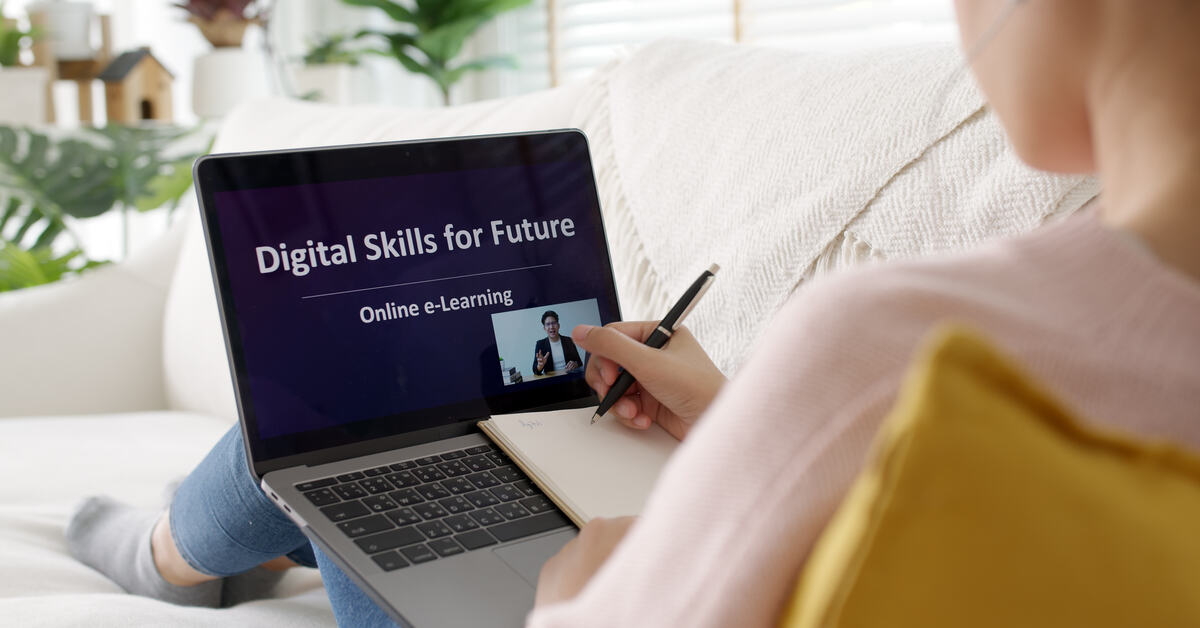
Digital and self-paced education will play an even larger role. Flexible learning allows people to respond quickly to change.
Future careers may not yet exist. Lifelong learning prepares professionals to navigate uncertainty with confidence and creativity.
Conclusion
Practical career development strategies help transform learning into a lifelong advantage. Upskilling, reskilling, and professional education provide the tools needed to stay resilient.
Lifelong learning is not about doing more. It is about learning smarter and with purpose. When learning aligns with career goals, progress feels meaningful.
Treat learning as an investment, not an obligation. Over time, it builds confidence, opportunity, and long-term career security.